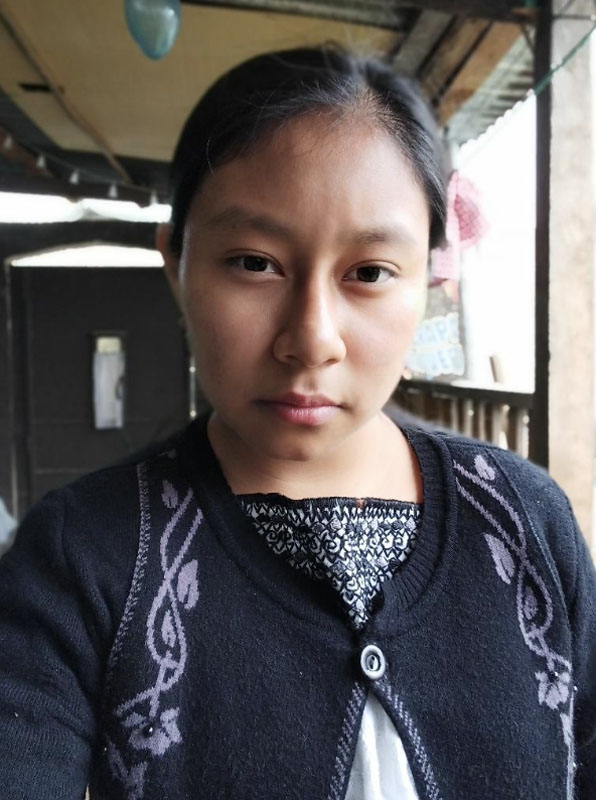
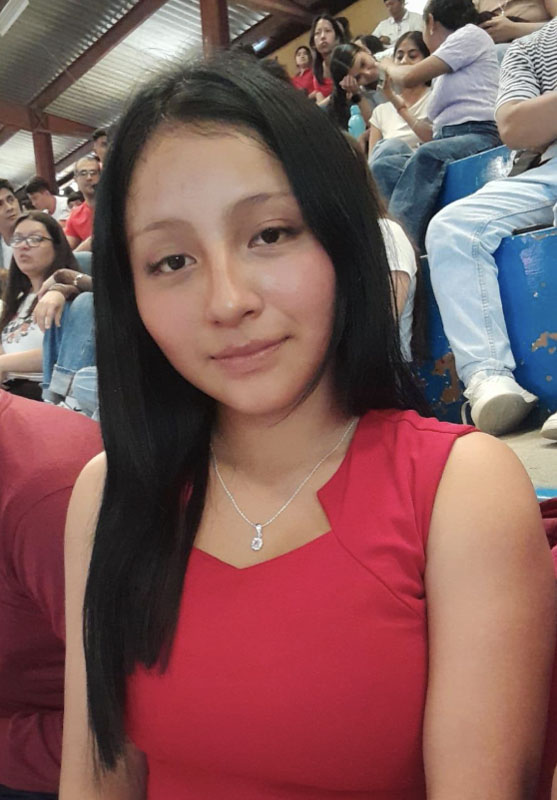
Despite being mandatory, in reality many Guatemalan children do not complete primary school, much less continue on to middle school. The reasons for this are several: First, despite being government-supported, primary school students must still pay for uniforms, books, school supplies, and transportation to and from school. This is beyond the reach of many Guatemalan families, especially rural, Indigenous families. Second, the primary language of almost 40% of Guatemalans is not Spanish, but rather one of more than 20 Mayan dialects. Despite a law passed in 1996 mandating that classes be taught in both Spanish and the local dialect, this has yet to occur in many schools, requiring Indigenous children to struggle with Spanish in addition to the usual first-year problems. Because of these and other factors, at present Indigenous children average only 2.5 years of education, compared to 5.7 years in non-Indigenous children.
Starting in middle school, families must pay for tuition as well as for the costs mentioned above, such as books, school supplies, etc. After successfully graduating from middle school, students are awarded a diploma called a “Basico”.
In high school, students have two options: they can attend a technical school for 2 years, choosing training in such fields as agriculture, surveying, or accounting, or they can choose a school with a more typical academic curriculum, which they attend for 3 years. At the end of technical school, they are awarded a certificate of competency in their chosen field, while at the end of academic school they are awarded a diploma called a “Diversicado” (I assume meaning a “diversified education”). The importance of the Diversicado is that it is required in order to sit for the college admission exams
Like high school, Guatemalan students accepted into post-secondary school education have several options. First, there are special teacher’s colleges that offer a 3-year degree in elementary education. This allows them to teach at the primary school level only. Second, there are more than a dozen Universities in Guatemala, and in general, they offer several routes to a diploma. The first of these is a 3-year degree in education that is more rigorous than the one offered by a teacher’s college. This allows the graduate to teach at both the primary and secondary levels, and entitles them to the title of “Profesor”. For fields of study other than education, students are given the option of taking classes for 2-3 years, and then graduating with what is called a “technico” degree in their chosen field. Alternatively, they can continue on to a “Licenciatura” degree. This is much more rigorous and prestigious, and requires at least four years of classes followed by another year for the student to research and write a thesis in the student’s major. This is the degree that GSSG student Nancy Ventura will be awarded in April of this year.